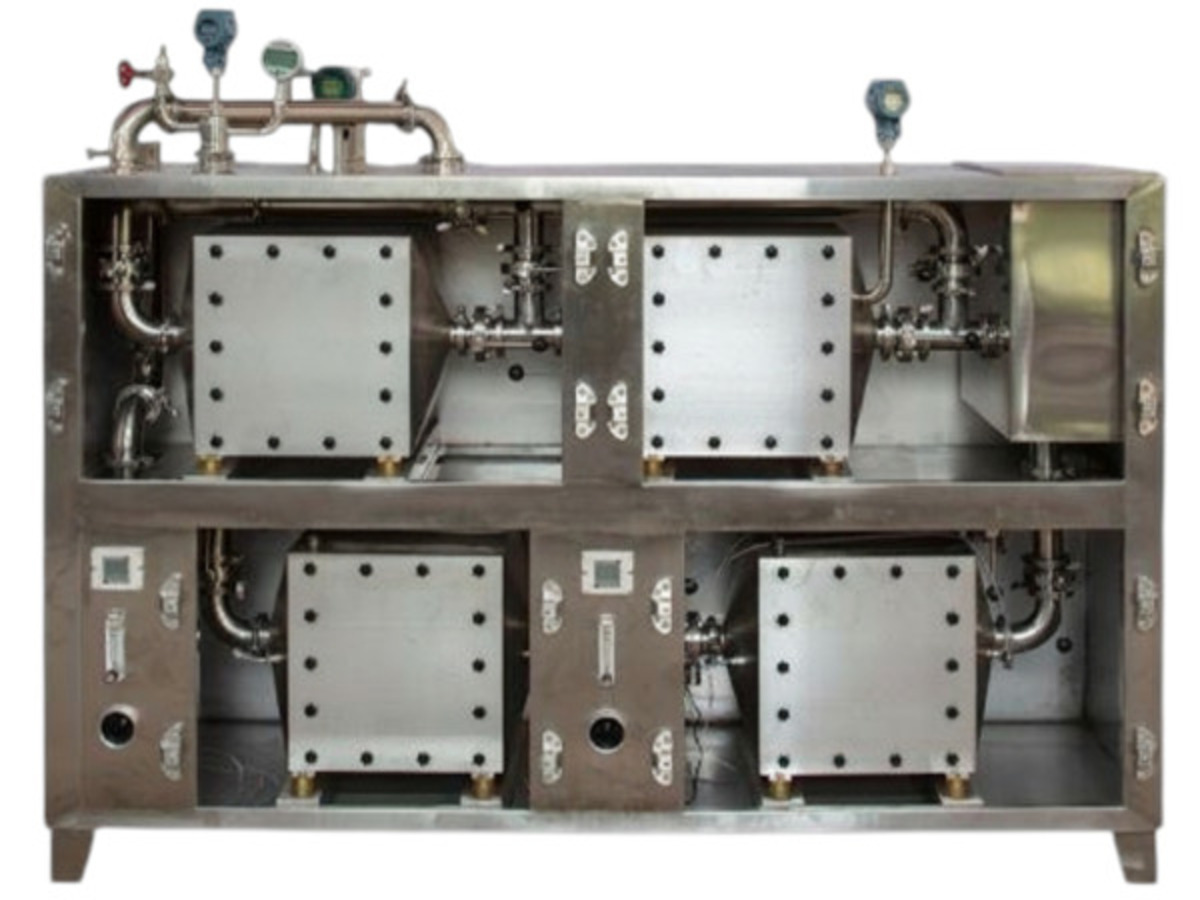
Designed for Academic Research
Modular & Configurable
Comprehensive Sensor Monitoring

University & Laboratory Iodine Air Filtration Systems

Dual-Chamber Absorption Systems with Complete Monitoring for Research & Industrial Applications

Our specialized iodine air filtration and absorption system is engineered for university research laboratories and industrial applications. Featuring two independent absorption chambers, integrated nitride removal, air dehydration, electrical heating, and comprehensive sensor monitoring, this system provides unparalleled flexibility for experimental research while maintaining industrial-grade performance. With dual sampling ports for real-time analysis and modular components for easy reconfiguration, it's the ideal solution for academic research, teaching laboratories, and specialized industrial iodine removal applications.

Complete Dual-Chamber System Overview

Modular iodine absorption system with integrated monitoring and experimental capabilities for research and industrial applications
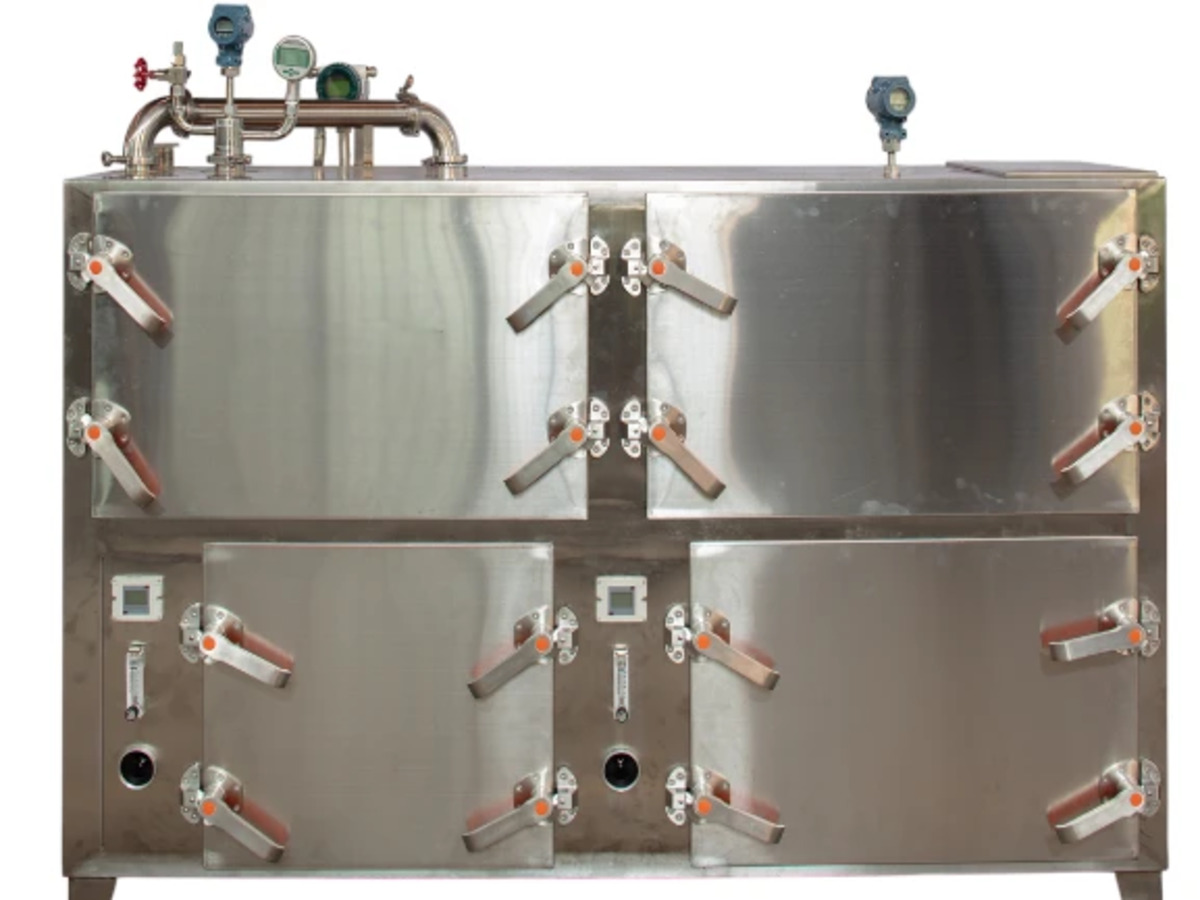
Dual-chamber iodine air filtration system diagram

Figure 1: Complete system diagram showing dual absorption chambers, nitride removal unit, air dehydration system, electrical heating, blower, and comprehensive sensor monitoring network

Key System Features

Dual Absorption Chambers

  • Two independent absorption chambers for parallel processing
  • Different media options for comparative studies
  • Individual pressure and temperature monitoring
  • Quick-change media access doors
  • Transparent viewing windows for observation
  • Standardized connections for easy reconfiguration

Comprehensive Monitoring

  • Individual sensors on all system components
  • Differential pressure monitoring across chambers
  • Temperature sensors in heating sections
  • Humidity sensors in dehydration unit
  • Gas concentration sensors at key points
  • Real-time data logging and remote access

Experimental Capabilities

  • Two independent sampling ports for analysis
  • Compatible with GC-MS, FTIR, and other analyzers
  • Variable flow control for residence time studies
  • Adjustable temperature zones for kinetic studies
  • Media swap capability for comparative research
  • Data export for research publication

System Components & Specifications

Detailed breakdown of each system component with technical specifications and capabilities

Absorption Chambers (x2)

  • Construction: 304 Stainless Steel with electropolished interior
  • Dimensions: 24" diameter × 36" height each
  • Media Capacity: 15-20 kg activated carbon per chamber
  • Access: Quick-release clamps with Viton gaskets
  • Monitoring: ΔP sensors, temperature sensors, sample ports
  • Options: TEDA-impregnated carbon, silver silicate, custom media

Nitride Removal Unit

  • Purpose: Removes nitrogen compounds before iodine absorption
  • Technology: Chemical adsorption with catalytic conversion
  • Efficiency: >95% removal of NOx compounds
  • Monitoring: Inlet/outlet concentration sensors
  • Regeneration: Automatic regeneration capability
  • Media Life: 6-12 months depending on concentration

Air Dehydration System

  • Type: Desiccant-based moisture removal
  • Capacity: Reduces RH from 100% to <20%
  • Flow Rate: Up to 200 CFM standard (higher available)
  • Regeneration: Electric regeneration with moisture sensors
  • Monitoring: Inlet/outlet humidity and temperature
  • Benefits: Extends carbon life, improves iodine capture

Electrical Heating System

  • Type: Electric resistance heating elements
  • Capacity: 0-150°C adjustable temperature range
  • Control: PID temperature controllers with feedback
  • Zones: Multiple heating zones with individual control
  • Safety: Over-temperature protection, thermal cutouts
  • Applications: Media conditioning, kinetic studies

Control & Monitoring System

  • Controller: PLC with HMI touchscreen interface
  • Monitoring: All system parameters in real-time
  • Data Logging: SD card and cloud connectivity options
  • Alarms: Visual, audible, and remote notifications
  • Integration: Modbus, Ethernet/IP, OPC-UA
  • Remote Access: Web-based monitoring interface

Blower & Ducting System

  • Blower: Centrifugal blower with variable frequency drive
  • Flow Range: 50-300 CFM adjustable (higher available)
  • Ducting: 6" diameter stainless steel with quick-connects
  • Monitoring: Flow sensors, pressure sensors, vibration sensors
  • Options: Explosion-proof, corrosion-resistant coatings
  • Maintenance: Easy-access panels, standard components

Research & Industrial Applications

Flexible system design suitable for diverse applications from academic research to industrial processing

University Research Laboratories

Ideal for chemical engineering, environmental science, and nuclear engineering departments. Students can study adsorption kinetics, compare media performance, conduct breakthrough experiments, and collect data for research publications.

  • Kinetic studies of iodine adsorption
  • Comparative media performance research
  • Process optimization experiments

Government & National Labs

Used in nuclear research facilities, environmental testing laboratories, and safety demonstration projects. The comprehensive monitoring and dual-chamber design allows for validation studies, regulatory compliance testing, and technology development.

  • Regulatory compliance testing
  • New media validation studies
  • Safety system demonstration

Industrial Iodine Removal

Applied in pharmaceutical manufacturing, chemical processing, and nuclear decommissioning projects. The system can be configured for continuous operation with redundant safety systems, automated controls, and compliance monitoring for regulatory requirements.

  • Pharmaceutical iodine containment
  • Chemical process ventilation
  • Decommissioning project support

Teaching & Training Facilities

Excellent for hands-on learning in engineering and technology programs. The transparent components, comprehensive instrumentation, and modular design provide students with practical experience in air pollution control, process engineering, and instrumentation.

  • Engineering laboratory courses
  • Technical training programs
  • Process control demonstrations

Technical Specifications

Complete system specifications and performance parameters

System Performance

Airflow Capacity 50-300 CFM (standard)
Iodine Removal Efficiency >99.5% (I₂, CH₃I)
Nitride Removal Efficiency >95% (NOx compounds)
Dehydration Performance <20% RH output
Heating Capacity 0-150°C adjustable
System Pressure Drop 4-12 in. H₂O

Physical Specifications

Overall Dimensions 8' L × 4' W × 6' H
System Weight 800-1200 lbs
Construction Material 304 Stainless Steel
Electrical Requirements 208/240V, 3-phase, 30A
Connection Size 6" diameter standard
Footprint 32 square feet

Monitoring & Control

Control System PLC with HMI
Sensor Types ΔP, Temp, RH, Flow, Gas
Sampling Ports 2 independent ports
Data Logging SD card + cloud option
Communication Modbus, Ethernet, WiFi
Alarm System Visual, audible, remote

Frequently Asked Questions

Common questions about our dual-chamber iodine absorption systems

What makes this system suitable for university research laboratories?

Our dual-chamber iodine absorption system is specifically designed for academic research environments with several key features:

  • Dual Chambers: Two independent absorption chambers allow for parallel experiments, comparative studies, and control vs. experimental configurations
  • Experimental Sampling Ports: Two independent sampling ports enable real-time gas analysis and connection to external analytical instruments
  • Comprehensive Monitoring: Extensive sensor network provides detailed data for research publications and process understanding
  • Modular Design: Components can be reconfigured for different research projects and experimental setups
  • Educational Value: Transparent components and detailed instrumentation provide hands-on learning opportunities for students
  • Data Collection: Complete data logging capabilities support research documentation and analysis
How does the nitride removal system work in this configuration?

The integrated nitride removal unit is a critical component that operates upstream of the iodine absorption chambers. Its function and operation include:

  • Technology: Uses a combination of chemical adsorption and catalytic conversion to remove nitrogen compounds (NO, NO₂, N₂O) from the air stream
  • Positioning: Located before the iodine absorption chambers to prevent competitive adsorption and interference with iodine capture efficiency
  • Monitoring: Equipped with inlet and outlet concentration sensors to monitor removal efficiency and media saturation
  • Regeneration: Some media types can be regenerated in-place, extending service life and reducing operating costs
  • Benefits: Extends iodine absorption media life, improves overall system efficiency, and allows for more accurate experimental results by removing interfering compounds
  • Maintenance: Typically requires media replacement every 6-12 months depending on inlet concentration and flow rates
Can the system be used for both experimental research and industrial applications?

Yes, the system is specifically designed for dual-purpose use with features that support both research and industrial applications:

For Research Applications:

  • Experimental sampling ports for real-time gas analysis
  • Dual chambers for comparative studies and control experiments
  • Comprehensive sensor array for detailed performance data collection
  • Adjustable parameters (flow, temperature, residence time) for experimental design
  • Data export capabilities for research publications

For Industrial Applications:

  • Continuous operation capability with automated controls
  • Redundant safety systems and fail-safe operation
  • Compliance monitoring for regulatory requirements
  • Robust construction for industrial environments
  • Remote monitoring and control for operational efficiency
  • Preventive maintenance scheduling and alerts

The system can be configured at purchase for either primary use case, or supplied with dual-mode capability.

What types of sensors and monitoring capabilities are included?

The system includes a comprehensive sensor network with monitoring capabilities for all critical parameters:

  • Pressure Monitoring: Differential pressure sensors across each absorption chamber, inlet/outlet pressure sensors, filter pressure drop
  • Temperature Monitoring: Multiple temperature sensors in heating sections, ambient temperature, component surface temperatures
  • Humidity Monitoring: Inlet and outlet humidity sensors for dehydration system performance
  • Gas Concentration: Optional iodine concentration sensors, NOx sensors for nitride removal monitoring
  • Flow Monitoring: Airflow sensors at key points in the system, blower speed monitoring
  • Safety Monitoring: Over-temperature sensors, vibration sensors on blower, door safety interlocks
  • Electrical Monitoring: Power consumption, heater current, system status indicators

All sensor data is collected through a centralized PLC system with options for real-time monitoring, historical trend analysis, data logging, and remote access. The system provides both local display on the HMI and remote access via web interface or mobile application.

Ready to Implement a Dual-Chamber Iodine Absorption System?

Contact our engineering team for a custom quote, technical consultation, or system demonstration. We provide complete solutions for university research laboratories, government facilities, and industrial applications.
+1 (650) 646-5199
30 N Gould St Ste R, Sheridan, WY 82801
Request Custom System Quote Schedule Technical Consultation